Posted by Electric Solenoid Valves on May 10th 2024
Guide to Valve Seal Materials: Viton, PTFE, NBR, and EPDM
Solenoid Valve Seal Materials Guide: Choosing Viton®, PTFE, NBR, or EPDM
In this article, we will cover:
- The importance of a quality valve seal
- Types of seals used in valves, their purpose, and the types of valves they are found in
- Common valve seal materials, including advantages and disadvantages, chemical resistance, key properties, and usage scenarios
Why do Valve Seals Matter?
Valve seals play a pivotal role in the functionality and product life of valves. Faulty or incompatible seals can cause major problems in a fluid or gas system. Below are the key reasons a quality seal matters in a valve.
- Leak Prevention: Leaks will waste fluids, can be hazardous, and cost you money.
- Efficiency: Even small leaks disrupt pressure or flow rates, impacting efficiency.
- Safety: In applications with hazardous chemicals or high temperatures, a failed seal creates major safety risks.
- Valve Longevity: The right seal material will extend the service life of your valve, reducing downtime and replacement costs.
Seal Types - Understanding the Terminology
- Seal: A general term for any component that prevents fluid from transferring between the joined parts of the valve. Each of the components below can be considered “seals.”
- Gasket: A flat, compressible sealing component that fits between two surfaces, such as the valve body halves.
- Plug Gasket: Installed in check valves to seal the movable plug.
- End Seal: Gasket found where the valve connects to piping.
- O-ring: A ring-shaped seal, usually made of an elastomer, used in moving parts or connection points.
- Ball Seat: A ring-shaped component that surrounds the ball in a ball valve, which creates a seal when the valve is closed.
- Stem Packing: A compressed seal around the valve stem that prevents leaks between the stem and the valve body.
- Diaphragm: A flexible membrane, often made of elastomers, that is a key part of the actuation mechanism in some solenoid valves.
Valve Seal Materials
Viton® seal (FKM):
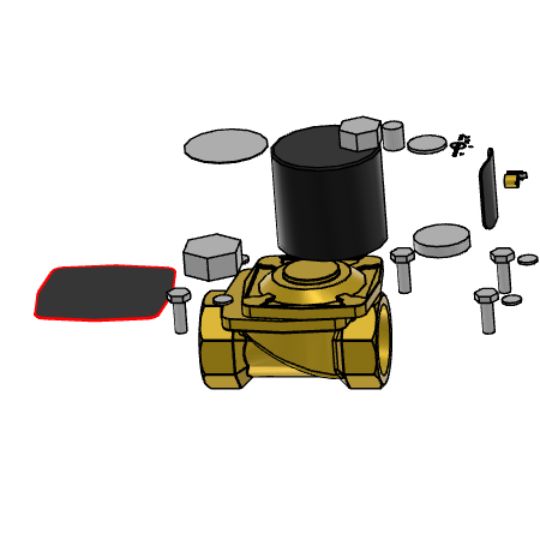
Fluoroelastomers. A synthetic rubber with excellent chemical resistance to oils, fuels, and chlorinated solvents.
- Advantages: Excellent resistance to chemicals and high temperatures
- Disadvantages: High cost, less flexible at low temperatures
- Common Applications: Chemical processing, oil & gas, valve handling, aggressive fluids
Valve Examples:
- 3-way brass electric ball valves with Viton® seals
- Brass electric ball valves with Viton® seals
- Brass solenoid valves with Viton® diaphragms
PTFE (Teflon):
Polytetrafluoroethylene. A thermoplastic fluoropolymer,
created by DuPont, is known for its use on non-stick kitchenware.
- Advantages: Supreme chemical resistance, very low friction
- Disadvantages: Lower mechanical strength, prone to creep (deformation under load)
- Common Applications: Food & beverage, sanitary applications, highly corrosive substances
Valve Examples:
- Swing check valves with PTFE plug gasket
- Vertical check valves with PTFE end seal
- Manual ball valves with PTFE ball seats, thrust washers, and stem packings
- Stainless steel steam solenoid valves with PTFE seal
NBR (Nitrile Rubber):
Nitrile butadiene rubber, NBR, Buna-N. An oil/fuel-resistant synthetic rubber.
- Advantages: Good oil and petroleum resistance, versatile
- Disadvantages: Limited chemical resistance, degrades at higher temperatures
- Common Applications: Hydraulics, pneumatics, general-purpose valves
Valve Examples:
- Pneumatic solenoid valves with NBR O-rings
- Low-pressure gas solenoid valves with NBR diaphragms
- 3-way brass solenoid valves with NBR seals
EPDM:
Ethylene propylene diene rubber. A synthetic rubber commonly used for valve diaphragms, gaskets, and O-rings.
- Advantages: Excellent for water, steam, and mild chemicals
- Disadvantages: Poor resistance to oils and hydrocarbons
- Common Applications: Water treatment, irrigation systems, steam valves
Valve Examples:
- Plastic zero differential solenoid valves with EPDM diaphragms
- Plastic 2-way solenoid valves with EPDM seals
Additional Considerations
Valve Design: The design of the valve impacts the seal selection. For instance, ball valves use ball seats and stem seals, while diaphragm valves have a flexible diaphragm material. The structure of the seal and the anticipated uses will help determine the material the seal is made of.
Regulatory Standards: For industries with strict material standards like food production (FDA), pharmaceuticals (USP), or potable water (NSF), material compliance is a requirement. Always check the regulations and compare them to the components of the valve before installing.
Material Compatibility: Each of the different kinds of materials used to make valve seals has different chemical compatibility. Below is a quick compatibility chart that illustrates which materials are suitable for various fluids and gases. For a more complete list, see our chemical compatibility database.
| Material | Water | Oil | Gas | Acids |
|---|---|---|---|---|
| Viton ® | Good | Excellent | Fair | Good |
| PTFE | Excellent | Good | Excellent | Excellent |
| NBR | Fair | Excellent | Fair | Poor |
| EPDM | Excellent | Poor | Good | Fair |
Need Help Choosing the Right Valve and Seal Material?
Selecting the correct solenoid valve depends on your media type, operating pressure, valve size, and chemical compatibility requirements. Whether you're replacing a valve with a failed seal, designing OEM equipment, or building a custom fluid control system, our team can help you identify the best solution.
If you have any questions about choosing between Viton®, PTFE, NBR, or EPDM, feel free to reach out to sales@electricsolenoidvalves.com or call us at 800-983-8230 — we're happy to help, Monday through Friday, 9:00 AM–5:00 PM EST.