
Posted by Electric Solenoid Valves on Mar 5th 2026
UL Recognized Solenoid Valves and How to Specify Them Correctly
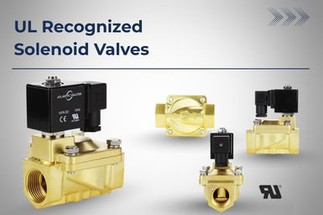
The UBP series UL-recognized solenoid valve line is designed for applications that demand high-pressure performance, reliable pilot-operated control, and documented component recognition for industrial systems. These valves are built for environments where correct specification matters as much as electrical compliance, especially in OEM equipment, control panels, and continuous-duty installations.
This blog introduces the UBP series while also serving as a practical guide. The goal is to explain how pilot-operated solenoid valves work, where UBP fits, and what details should always be confirmed before installation.
What Is a Pilot-Operated Solenoid Valve
A pilot-operated solenoid valve uses system pressure as the primary force to open and close the main valve seat. Instead of the solenoid coil directly lifting the entire sealing mechanism, the coil operates a small pilot orifice that controls pressure above a diaphragm or piston.
When energized, the pilot orifice releases pressure from the control chamber, creating a pressure differential that allows inlet pressure to lift the main valve. When de-energized, pressure equalizes, and the valve closes.
Because the solenoid only controls a small pilot flow, pilot-operated valves require significantly less electrical power and are commonly used for larger port sizes and higher-pressure applications where direct-acting designs would require oversized coils.
However, pilot-operated valves require a minimum differential pressure to operate correctly. If system pressure is too low or unstable, the valve may fail to open fully or operate inconsistently.
Practical takeaway:
Pilot-operated valves are ideal for systems with stable pressure and moderate to high flow rates where energy efficiency and larger valve sizes are required.
Why the UBP UL-Recognized Solenoid Valve Series Matters
The UBP UL-recognized solenoid valve series is designed for industrial control applications requiring reliable pressure performance, continuous-duty operation, and component-level compliance for equipment integration.
Key reasons customers choose the UBP series include:
- High-pressure performance suited for industrial water, air, and light oil systems
- Pilot-operated design for efficient actuation at larger sizes
- Continuous-duty rated coils for steady energized operation
- UL recognized coil to support compliant control panels and equipment certification
Rather than serving as a general-purpose replacement valve, the UBP series is intended for systems requiring long service life, stable operation, and documented component compliance for inspection, certification, or OEM build requirements.
UBP Series Technical Snapshot
Below is an example specification from the UBP line to show how the series is structured.
Example model: UBP-15-110VAC
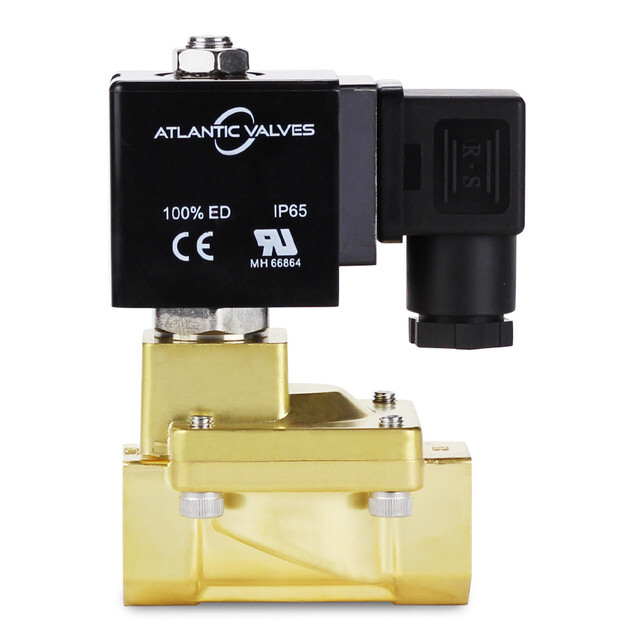
This structure is consistent across the UBP series, with variations by port size, voltage, and configuration.
How to Spec a UL-Recognized Solenoid Valve Correctly
Selecting a UL-recognized solenoid valve is effective only when the valve is properly matched to system operating conditions. In practice, most valve failures result from specification mismatches rather than product defects.
1. Confirm Differential Pressure
Pilot-operated solenoid valves require sufficient differential pressure (ΔP) between the inlet and outlet to actuate correctly. The solenoid coil controls a pilot orifice, while system pressure provides the force required to open the main valve diaphragm or piston.
Systems operating at near-zero differential pressure, fluctuating pressure, or equalized inlet and outlet pressure may experience unreliable operation or failure to open fully.
Recommendation:
Always confirm minimum inlet pressure and pressure stability before selecting a pilot-operated valve.
2. Verify Maximum Pressure and Spikes
The UBP series supports high working pressures; however, pressure spikes (transients) generated by pumps, compressors, rapid valve closure, or water hammer events may exceed steady-state operating ratings.
Short-duration pressure transients can momentarily subject the valve body, seals, and diaphragm to loads higher than the nominal system pressure, potentially leading to leakage, reduced service life, or operational instability.
Recommendation:
Size and select the valve based on the maximum expected system pressure, including transient conditions, rather than nominal operating pressure alone. Verify that peak pressure remains within the valve’s rated operating limits under all operating scenarios.
3. Match Media and Seal Compatibility
UBP models with NBR seals are suitable for water, air, and light oils within published temperature and viscosity limits. NBR is not intended for aggressive chemicals or high-temperature media.
Recommendation:
Confirm seal compatibility before ordering if the media is not clearly within standard ranges.
4. Review Temperature Limits
Temperature limits apply to both the process media and the surrounding environment. Even when media temperature is within specification, elevated ambient temperatures, especially inside control panels or enclosed installations, can increase total thermal load and reduce coil service life.
The actual operating temperature of a solenoid valve is influenced by the combined effects of media temperature, ambient conditions, and normal coil self-heating during energized operation. Excessive heat can accelerate insulation aging and lead to premature coil failure.
Recommendation:
Evaluate both media and ambient temperatures, including enclosure heat buildup and proximity to other heat-generating components, to ensure operating conditions remain within rated limits.
5. Confirm Electrical Supply and Coil Selection
The UBP series uses DIN 43650A connectors and continuous duty coils. Proper voltage selection and adequate power supply capacity are essential for reliable valve actuation.
Solenoid coils require sufficient electrical power during energizing to generate the magnetic force needed to shift the valve mechanism. Supply voltage that falls below the rated value due to wiring losses, long cable runs, or insufficient power capacity may result in delayed operation, noise, or failure to actuate.
Recommendation:
Verify supply voltage tolerance, available inrush current capacity, and wiring length to minimize voltage drop and ensure consistent coil performance.
Where the UBP Series Is a Strong Fit
The UBP series is well suited for:
- Industrial water and air systems
- Light oil applications within published limits
- Continuous-duty control systems
- OEM equipment and panel builds using recognized components
It may not be the right choice for:
- Zero or near-zero pressure systems
- Highly aggressive or specialty fluids
- Applications requiring extremely fast response times
UBP vs Direct-Acting Valves
|
Application requirement |
Recommended design |
|
Stable, higher pressure |
Pilot-operated (UBP) |
|
Near-zero pressure |
Direct-acting |
|
Larger port sizes |
Pilot-operated |
|
Simple low-pressure systems |
Direct-acting |
Choosing the correct design upfront prevents cycling issues, overheating, and premature failures.
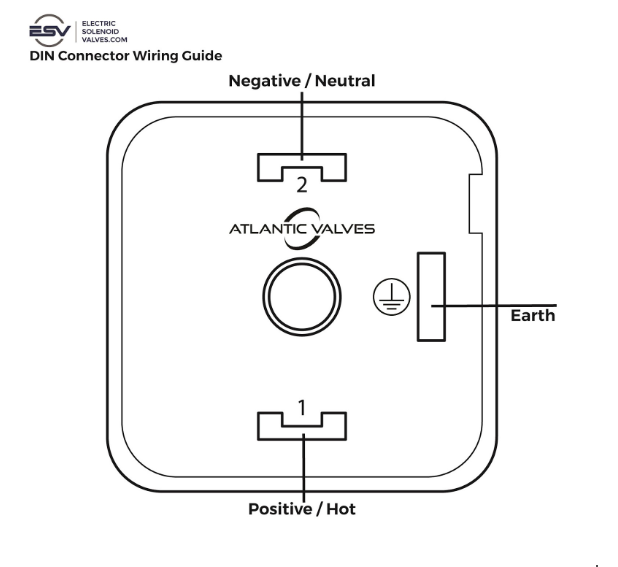
Wiring Instructions:
- Loosen and remove the Phillips-head screw securing the DIN connector to the coil.
- Detach the DIN connector from the coil.
- Open the DIN connector housing by prying at the small slot located in the bottom corner next to the Earth terminal.
- Inside the housing, locate the screw terminals:
- Terminal 1: Connect the hot or positive wire.
- Terminal 2: Connect the neutral or negative wire.
- Earth Terminal (for AC voltages only): Connect the ground or Earth wire.
- Ensure all screw terminals are securely tightened for a reliable connection.
- Reassemble the DIN connector by reversing the steps above.
Final Thoughts
A UL-recognized solenoid valve, such as the UBP series, supports reliable operation when pressure capability, duty cycle, and documentation requirements are properly addressed. UL-recognized components are commonly used in equipment and control panels that undergo UL evaluation or inspection, helping simplify component acceptance during OEM builds and compliance reviews. Correct specification remains essential. When pressure, media, temperature, and electrical conditions are verified in advance, pilot-operated valves provide consistent performance in demanding industrial systems.
| EXPLORE THE UL-RECOGNIZED SOLENOID VALVE SERIES |
View available sizes, voltages, and pressure ratings to select the correct UBP model for your application.
Need help with valve selection? Share your media type, pressure range, temperature, and voltage requirements, and our team will confirm the right solution.