
Posted by Electric Solenoid Valves on Dec 26th 2025
Essential Solenoid Valves to Keep in Stock for 2026
Most “I need a solenoid valve today” problems are not about brand. They are about one missing spec that turns a simple swap into a second order.
If you stock a small, deliberate set of common configurations, you can solve most repairs and small builds same-day without overnight shipping, guessing, or “close enough” substitutions. If you want a wiring refresher before you standardize voltages and connectors, use this guide: The Complete Guide to Connecting Solenoid Valves
The 8 specs that decide whether your “spare” actually works
Before you buy spares, confirm these. If you skip them, you end up with valves that fit the cart, not the install.
-
Function: 2-way for on/off shutoff, 3-way for diverting or exhausting (common in pneumatics).
-
Fail state: normally closed (closed without power) vs normally open (open without power), choose based on what must happen during a power loss.
-
Actuation: direct acting vs. pilot-operated. Pilot valves often need a minimum pressure differential; direct acting is the safer pick for low-pressure and gravity-fed situations.
-
Pressure range and differential pressure: especially important for pilot-operated valves in tank discharge, siphon, gravity feed, recirculation loops, and low-pressure pumps.
-
Port size and thread: confirm port size and thread type; many installs are NPT, but do not assume.
-
Voltage: 24VDC and 110 to 120VAC cover most needs, 220 to 240VAC is common internationally, 12VDC and 24VAC show up in specific equipment.
-
Media and seal: water, air, oils/fuels, cleaners, and chemicals drive seal choice and sometimes body material.
-
Connector and environment: DIN style vs lead wires, indoor vs outdoor, splash or washdown, duty cycle expectations.
Recommended starter picks from ElectricSolenoidValves.com
Use these links as your stock build shortcuts, start broad, then narrow by size, voltage, and material.
-
Start with all standard shutoff spares: Normally Closed Solenoid Valves
-
Build your core brass Tier A kit: Brass Solenoid Valves
-
Small sizes you will use constantly: 1/4" Brass Solenoid Valves, 3/8" Brass Solenoid Valves, 1/2" Brass Solenoid Valves
-
Higher-flow add-ons: 3/4" Brass Solenoid Valves, 1" Brass Solenoid Valves
-
-
Add stainless upgrades for washdown, outdoor, standardization: Stainless Steel Solenoid Valves
-
Add 3-way control valves for pneumatics, exhaust, diverting: 3-Way Solenoid Valves
-
Add plastic options for corrosive environments or where plastic is preferred: Plastic Solenoid Valves
-
Do not forget the “save the job” parts: Coils and Valve Parts
-
For seal and chemical calls, use these before you commit to stocking alternates: Seal Materials Guide, Chemical Compatibility Database
Optional, only if your customers actually need it:
-
High-temp service: Steam Solenoid Valves
-
If solenoids keep failing from dirty media or water hammer complaints: Electric Motorized Ball Valves
Tier A: The valves you will actually use
These cover common water, air, and utility shutoff jobs.
1) 2-way, normally closed, general-purpose (your core workhorse)
This is the valve that covers most water shutoffs, air lines, utility control, and “replace what failed” jobs.
Start with brass bodies in the sizes you see every week. For most teams that means 1/4, 3/8, and 1/2 inch. Standardize around 24VDC and 110 to 120VAC first, then expand only if demand supports it. Choose your baseline seal based on your real media, not what you hope the job is.
2) 2-way, normally closed, pilot-operated for higher flow
Pilot-operated valves are a smart shelf add when you need higher flow and larger sizes without jumping to expensive specialty valves. A practical starter set is 3/4 and 1 inch in 24VDC and 110 to 120VAC.
Important: pilot-operated valves commonly require a minimum pressure differential to open. If you service gravity feed, tank discharge, low-pressure pumps, or near-zero differential conditions, keep at least one direct-acting (or assisted lift style) option in the sizes you sell most.
Tier B: the “saves the install” add-ons
3) 24VDC coverage in your top sizes
If you build or repair control panels, 24VDC becomes non-negotiable. Keep your top sizes in 24VDC and, if your valve family supports coil swaps, keep spare coils so a coil failure does not become a full valve replacement. The wiring, connector, and coil details matter; this is the fastest way to avoid avoidable returns. Use The Complete Guide to Connecting Solenoid Valves as the internal reference your team shares with customers.
4) Stainless steel bodies for harsh environments
Stainless bodies are worth stocking when customers work in washdown areas, corrosive atmospheres, outdoor installs, or they want stainless for standardization. Start small, usually 1/4 and 1/2 inch in your main voltages. Stainless does not fix seal mistakes; keep the seal decision tied to media and temperature.
5) A small seal “upgrade” set, based on what you actually see
You do not need every seal material on the shelf. You do need the one that matches repeat use cases in your customer base. If you regularly touch hot water, cleaners, dosing systems, oils, or fuels, add one to two alternate seal options that match those jobs.
Do not guess seal compatibility. Require the fluid name, concentration, and temperature range when the media is not plain water or clean air.
6) 3-way solenoid valves for pneumatics and control
If you support pneumatic cylinders, air logic, exhaust, or diverting, 3-way valves are a small-stock, high-save item. A strong starter set is 1/8 and 1/4 inch in 24VDC and 110 to 120VAC, with a fail state chosen based on system behavior during power loss.
Related reading for flow path thinking (even though it is ball valves, it helps teams explain diverting vs exhausting concepts): How Does a 3-Way Ball Valve Work
Tier C: Specialty stock, only if demand is real
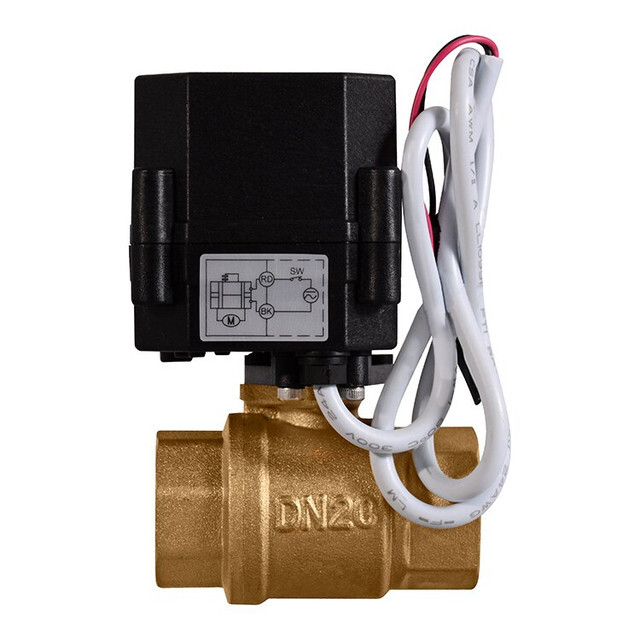
7) Anti-corrosion plastic valves (UPVC, PTFE families)
Best for: chemical dosing, aggressive fluids, wastewater, and certain treatment systems.
How to think about it:
- UPVC: commonly chosen for mild to medium acids, alkalis, and many industrial liquids when compatible
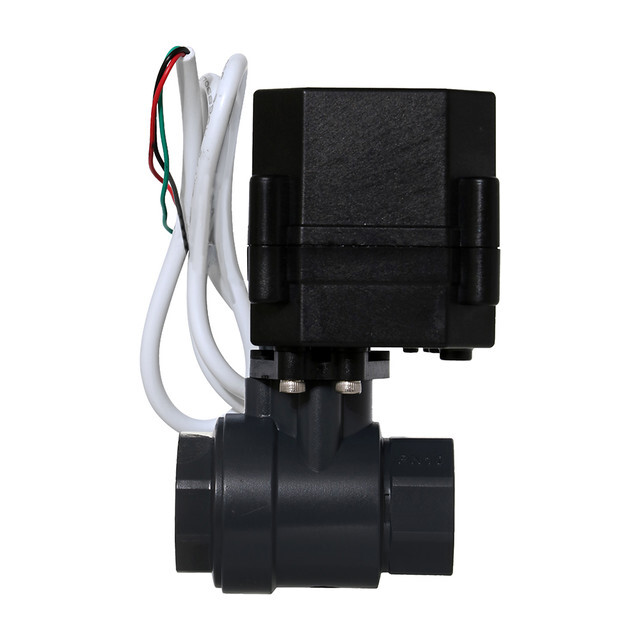
- PTFE: often chosen for more aggressive chemical resistance needs, depending on valve design and temperature
Stock lightly:
- 1/4 inch to 1/2 inch NPT
- 24VDC first
- Keep a simple intake checklist (fluid, concentration, temp) before you commit
8) Uncommon voltages and edge cases
Only stock these if you see repeat demand: 12VDC, 48VDC, 24VAC, latching, and special approvals or ratings (only if you actually carry them).
Starter stock matrix for 2026
|
What to stock |
Best for |
Size starting set |
Voltage starting set |
|
2-way N/C, general purpose |
water, air shutoff, most repairs |
1/4, 3/8, 1/2 NPT |
24VDC, 110-120VAC |
|
2-way N/C, pilot operated |
higher flow, bigger lines |
3/4, 1 NPT |
24VDC, 110-120VAC |
|
3-way |
pneumatics, exhaust, control |
1/8, 1/4 NPT |
24VDC, 110-120VAC |
|
Stainless upgrades |
washdown, outdoor, harsh env |
1/4, 1/2 NPT |
24VDC, 110-120VAC |
|
Anti-corrosion (UPVC or PTFE) |
dosing, aggressive media |
1/4 to 1/2 NPT |
24VDC |
The biggest stocking mistakes (and how to avoid them)
- Stocking pilot valves for low-pressure systems. Fix it by keeping at least one direct acting option where you see gravity feed or near-zero differential.
- Forgetting connectors and coil details. Fix it by standardizing connectors, keeping matching DIN parts if you use them, and stocking spare coils for your main voltages. Use The Complete Guide to Connecting Solenoid Valves as the internal “send this first” link.
- Treating seals as close enough. Fix it by requiring fluid name, concentration, and temperature range anytime the media is not plain water or clean air.
- Ignoring thread and fitment. Fix it by confirming thread type, port size, and clearance for coil orientation before the order is placed.
Need help identifying NPT size or choosing seals? Use our guides, or contact us with a photo of the install and your specs.