
Posted by Electric Solenoid Valves on Mar 4th 2026
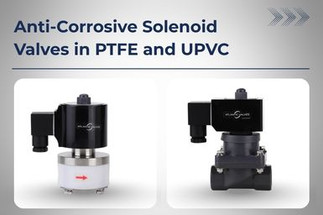
New Product Line, Anti-Corrosive Solenoid Valves in PTFE and UPVC
Anti-corrosive solenoid valves are often selected too late in the design process, after repeated failures are blamed on wiring, pressure conditions, or coil performance. In reality, many of these failures are material-related. Chemical attack and corrosion degrade valve bodies, swell seals, and create internal sticking long before an electrical component reaches the end of life.
To address this, we expanded our lineup with anti-corrosive solenoid valves in PTFE and UPVC, purpose-built for applications where standard brass or stainless steel valves are not suitable due to chemical exposure, fluid compatibility, or long-term corrosion risk.
This launch gives ElectricSolenoidValves.com customers clear material options based on chemical severity, temperature range, and application risk, without forcing unnecessary over-engineering or trial-and-error selection.
Why We Added an Anti-Corrosive Valve Line
Over time, we saw a consistent pattern across customer applications, particularly in systems handling chemically aggressive or treated fluids.
Common issues included:
- Valves selected by pipe size instead of fluid compatibility
- “Chemical resistant” claims based only on body material
- Premature failures caused by one incompatible wetted component
Rather than offering a single generic solution, we introduced two non-metallic valve families, each designed for a different level of chemical severity.
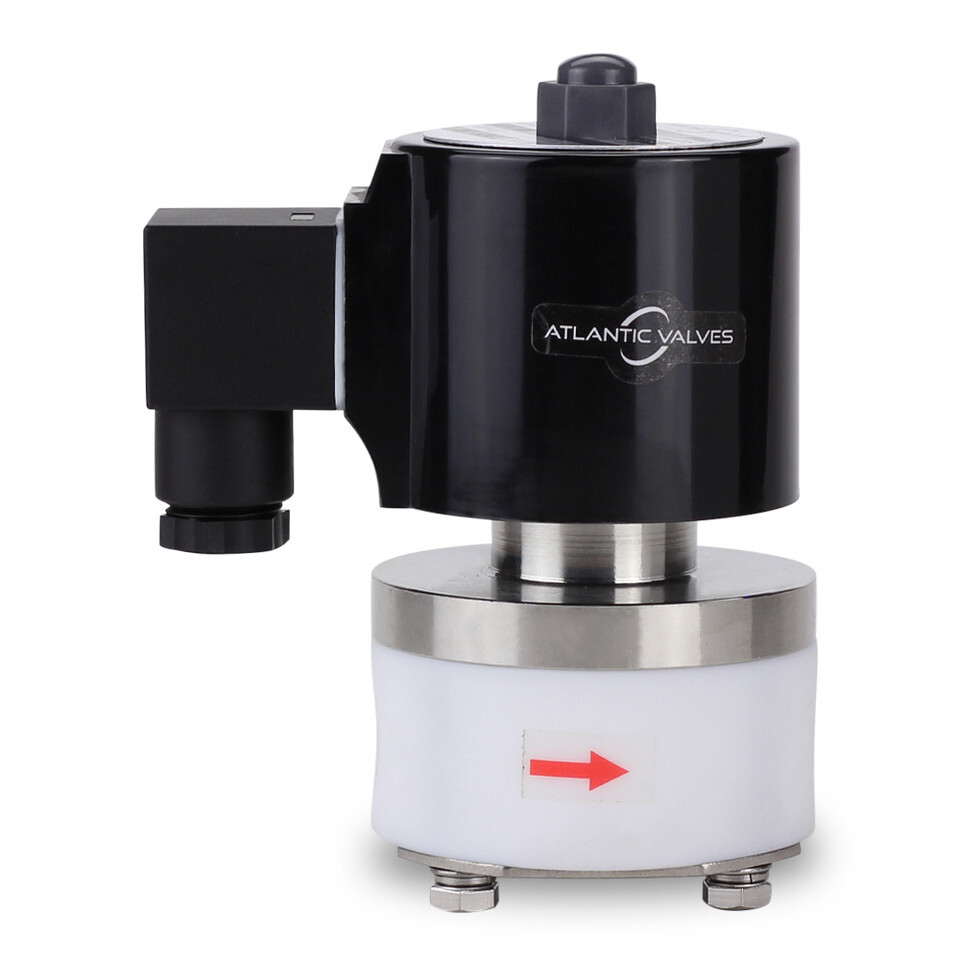
PTFE Anti-Corrosive Solenoid Valves
PTFE was added for applications where chemical compatibility is the primary constraint and failure tolerance is low.
This series is intended for environments where fluid chemistry, not pressure or actuation method, is the dominant risk factor. In these applications, even minor material degradation such as seal swelling, surface attack, or internal sticking can result in leakage, loss of control, or unplanned downtime.
What this series is designed for
- Highly aggressive chemicals and solvents
- Fluids that attack metals or elastomers over time
- Systems where downtime or leakage is unacceptable
Typical use cases include chemical dosing systems, treatment skids, analytical equipment, and controlled utility processes where long-term chemical exposure is expected and material stability is critical.
Design intent
- PTFE valve body for broad chemical resistance
- Electrically actuated on-off control
- Compact form factor for control panels and skid systems
This series is best suited for users who already understand their chemical environment and need a valve material that will not become the weak link.
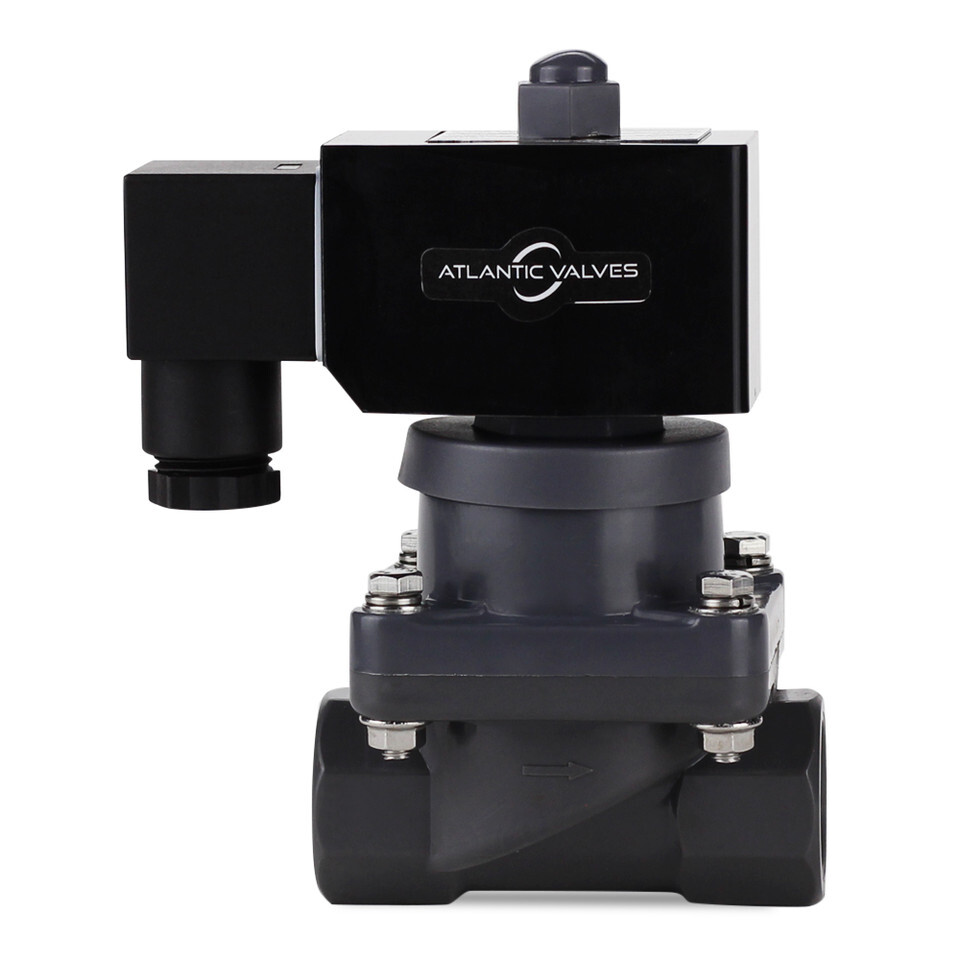
UPVC Anti-Corrosive Solenoid Valves
UPVC was added for customers who need corrosion resistance without the cost or temperature range of PTFE.
This series is intended for general corrosive service where the media is known, operating conditions are moderate, and chemical exposure is predictable. In these applications, UPVC provides an effective balance of corrosion resistance, mechanical stability, and cost efficiency.
What this series is designed for
- Common corrosive fluids such as treatment chemicals and fertilizers
- Industrial and commercial systems with known media
- Applications where weight, cost, and simplicity matter
Typical use cases include water treatment equipment, dosing, and injection systems, utility manifolds, and skid-mounted assemblies operating within defined temperature and pressure limits.
Design intent
- UPVC body for corrosion resistance in non-metal systems
- Lightweight construction for easier installation
- Practical solution for general corrosive service
UPVC anti-corrosive solenoid valves fill the gap between traditional metal valves and high-end fluoropolymer solutions. They are well suited for users who understand their process media and require reliable corrosion resistance without the complexity or cost of more specialized materials.
For applications involving uncertain chemical compatibility, elevated temperatures, or aggressive solvents, material verification is recommended before selection.
Not sure which material fits your fluid or environment? Compare PTFE, UPVC, and other materials with our compatibility tool.
| CHECK CHEMICAL COMPATIBILITY FOR YOUR MEDIA |
PTFE vs UPVC, Application-Level Guidance
This launch is about giving users the right material, not just more options.
Both PTFE and UPVC provide corrosion resistance, but they address different levels of chemical severity, operating conditions, and risk tolerance. Correct material selection depends on how aggressive the media is, how stable the process conditions are, and how much margin for failure the application allows.
Material Comparison Overview
|
Selection Factor |
PTFE |
UPVC |
|
Chemical aggressiveness |
Very high |
Moderate |
|
Temperature tolerance |
Higher |
Lower |
|
Cost sensitivity |
Lower |
Higher |
|
Typical users |
Process systems, laboratory equipment, chemical handling |
Water treatment, utilities, industrial dosing |
Selection Guidance
PTFE is typically the safer choice when chemical compatibility is uncertain, fluid composition may change over time, or long-term exposure to aggressive chemicals is expected. Its chemical inertness provides additional margin in applications where material degradation would result in leakage, contamination, or unplanned downtime.
UPVC is often sufficient and more economical when the media is well defined, operating temperatures are moderate, and chemical exposure is predictable. In these applications, UPVC offers reliable corrosion resistance without the added cost or complexity of fluoropolymer materials.
Material selection should always be evaluated in the context of full operating envelope, including fluid type, concentration, and temperature to ensure long term valve performance.
Built for Electrically Actuated Control
Both valve families are designed specifically for electrically actuated on-off control in automated systems.
These valves are intended for:
- On-off solenoid control
- Electrically automated systems
- Applications where corrosion is the dominant failure mode
They are not intended for throttling or fine flow modulation. Correct sizing and application review remain critical.
Explore the Anti-Corrosive Solenoid Valve Line
These PTFE and UPVC valves were added to solve real application failures observed in the field, not simply to expand a catalog or introduce more material variants.
Each series is intended to solve a specific class of corrosion-related problems, with clear boundaries around where it should and should not be applied. Proper material selection remains essential to long-term reliability and system performance.
Next steps
Need help? Give us a call or contact us at 800-983-8230 anytime Monday to Friday between 9:00AM and 5:00PM (EST).
| GET EXPERT HELP WITH VALVE SELECTION |