

Posted by Electric Solenoid Valves on Mar 3rd 2026
UPVC Solenoid Valves for Chemical and Water Applications
Material selection is one of the most common failure points in solenoid valve applications. Many valve issues labeled as leakage, swelling, sticking, or premature failure can be traced back to chemical incompatibility between the process media and the valve body or internal seals.
In water treatment, chemical dosing, agriculture, and light industrial systems, metal valves are often over-specified. Brass and stainless steel perform well in many environments, but they are not always the best choice when corrosion, scaling, or chemical attack are present.
UPVC anti-corrosive solenoid valves provide a reliable alternative in these conditions. When properly selected, they offer long service life, chemical stability, and reduced maintenance compared to traditional metal valves.
This guide explains what UPVC is, why it is used for solenoid valves, where it performs best, and how to determine if a UPVC valve is the right fit for your application.
What Is UPVC Material?
UPVC, or unplasticized polyvinyl chloride, is a rigid thermoplastic material commonly used in chemical piping systems, water distribution, and fluid handling equipment where corrosion resistance and dimensional stability are required.
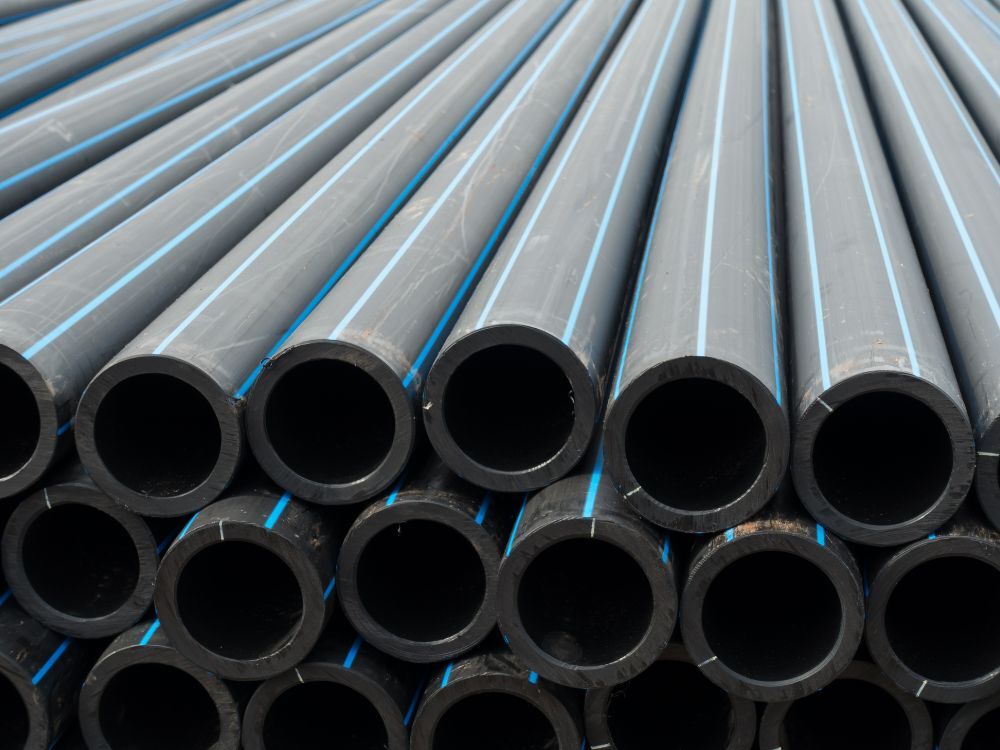
Unlike flexible PVC, UPVC does not contain plasticizers. This results in a material with greater rigidity, improved dimensional stability, and predictable mechanical performance within defined pressure and temperature limits. UPVC also offers good resistance to many acids, bases, and water-based chemicals, making it a common choice in corrosive but non-extreme service environments.
In solenoid valve construction, UPVC is used primarily for the valve body. Internal components such as the plunger, spring, and seals are selected separately to match pressure, temperature, and media requirements.
Key material characteristics of UPVC
UPVC offers a combination of chemical resistance and mechanical stability that makes it well-suited for many water and chemical handling applications when used within defined operating limits.
Key characteristics of UPVC include:
- Good resistance to acids, alkalis, and salts, particularly in water-based and moderate-temperature applications
- Non-corrosive behavior in environments where metal valves may oxidize or rust
- Smooth internal surfaces that resist scaling and buildup
- Lightweight compared to metal valve bodies
Because UPVC does not oxidize, it does not generate corrosion products that can contaminate fluid lines or damage downstream components. This makes it especially effective in systems where fluid cleanliness and long-term stability are important considerations.
As with any valve material, chemical compatibility and performance depend on media composition, concentration, temperature, pressure, and duty cycle, and should be verified for the specific application.
| BROWSE OUR UPVC SERIES |
Why Use UPVC for Solenoid Valves?
The primary reason to select a UPVC solenoid valve is chemical compatibility with the process media, particularly in applications where corrosion or chemical attack limits the service life of metal valves.
In systems handling chemically aggressive media, especially those that attack metals through oxidation, galvanic action, or stress corrosion, metal valves may degrade even when operated within nominal pressure and temperature limits. In these cases, UPVC can provide a more stable and predictable material option when applied within its defined operating envelope.
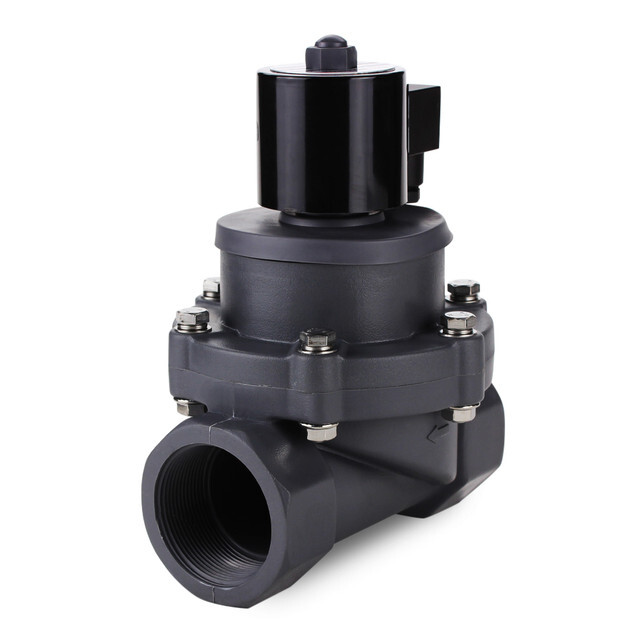
UPVC solenoid valves address several common pain points:
1. Corrosion Resistance
UPVC does not rust, pit, or suffer galvanic corrosion. This makes it suitable for media such as:
- Sodium hypochlorite and chlorinated solutions
- Mild acids and bases at compatible concentrations
- Fertilizers and nutrient solutions
- Deionized or treated water
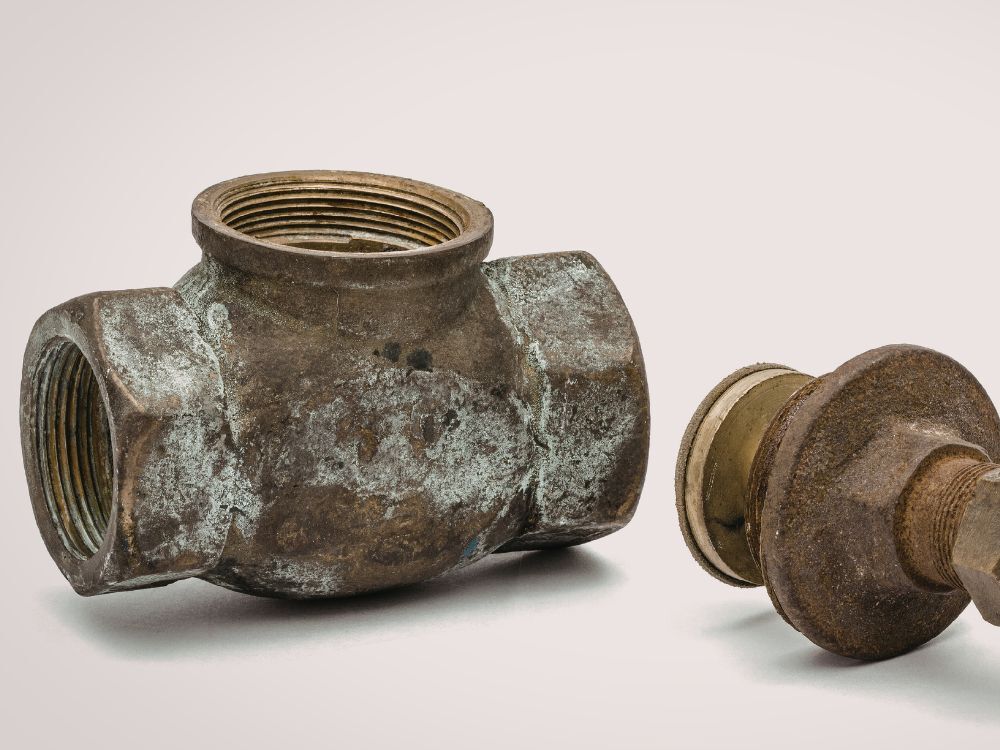
In contrast, brass valves may experience dezincification, and stainless steel can be susceptible to stress corrosion cracking in certain chemical environments. UPVC avoids these metal-specific failure mechanisms when used within appropriate limits.
2. Reduced Scaling and Fouling
Metal valves can accumulate mineral deposits over time, especially in hard water or dosing systems. UPVC surfaces are smoother and less reactive, reducing internal buildup and maintaining consistent flow characteristics.
3. Lightweight and Easy Installation
UPVC valve bodies weigh significantly less than brass or stainless steel. This simplifies handling during installation and reduces stress on piping supports in skid-mounted or wall-mounted systems.
4. Cost Efficiency in the Right Application
For chemically compatible services, UPVC valves often provide a lower total cost of ownership. Longer service life, fewer replacements, and reduced maintenance offset the initial component cost.
Typical Applications for UPVC Anti-Corrosive Solenoid Valves
UPVC solenoid valves are commonly used in low to moderate pressure systems where chemical compatibility is more critical than high temperature or extreme pressure capability.
Common applications include:
- Chemical dosing and metering systems
- Water treatment and filtration skids
- Agricultural irrigation and fertigation
- Car wash chemical injection systems
- Laboratory and analytical equipment
- Light industrial fluid control
These systems benefit from the non-reactive nature of UPVC and its ability to maintain performance over long operating cycles.
UPVC vs Brass vs Stainless Steel Solenoid Valves
Choosing the correct valve material depends on the operating environment. The table below highlights practical differences between common solenoid valve materials.
|
Feature |
UPVC |
Brass |
Stainless Steel |
|
Corrosion resistance |
Excellent |
Moderate |
Good to excellent |
|
Chemical compatibility |
High |
Limited |
Moderate |
|
Pressure capability |
Moderate |
High |
Very high |
|
Temperature range |
Low to moderate |
Moderate |
High |
|
Weight |
Very light |
Moderate |
Heavy |
|
Typical use |
Chemicals, water |
General purpose |
Harsh industrial |
UPVC should not be viewed as a universal replacement for metal valves. Instead, it excels in chemically aggressive but temperature-controlled environments where metal corrosion is a risk.
Key Design Considerations for UPVC Solenoid Valves
Before selecting a UPVC solenoid valve, several technical factors should be evaluated.
Pressure and Temperature Limits
UPVC valves are typically rated for lower temperatures than metal valves. Most are designed for cold to moderately warm fluids. Elevated temperatures can reduce pressure ratings and affect long-term performance.
Always verify the valve’s maximum operating pressure at the intended fluid temperature.
Seal Materials
The valve body material alone does not determine chemical compatibility. Seal selection is equally important.
Common seal options include:
- EPDM for water and mild chemicals
- FKM for broader chemical resistance
- PTFE for highly aggressive media
Matching the seal material to the process fluid is critical to preventing swelling, leakage, or sticking.
Flow Characteristics
UPVC solenoid valves may be direct-acting or pilot-operated, depending on size and pressure differential. Larger sizes often require pilot operation to achieve higher flow rates with stable actuation.
Understanding the required Cv, minimum pressure differential, and duty cycle helps prevent undersizing or coil overheating.
The PAC Series UPVC Solenoid Valves
To address these requirements, ElectricSolenoidValves.com offers the PAC series of UPVC anti-corrosive solenoid valves.
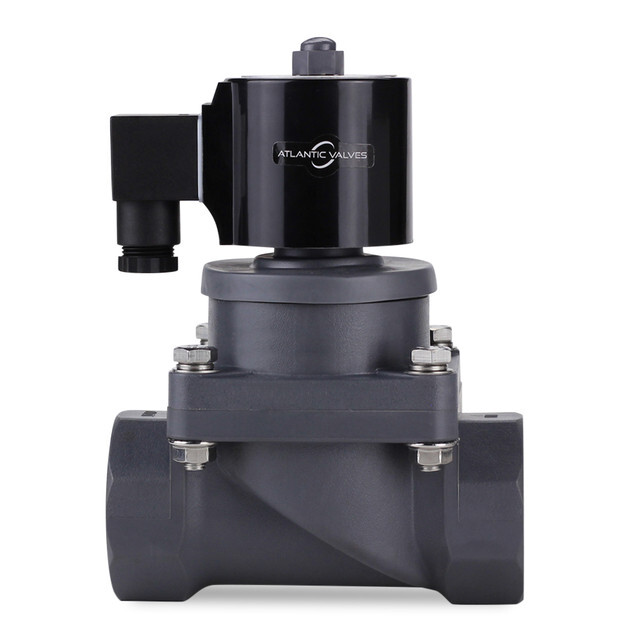
The PAC series is designed for fluid control applications where chemical resistance, reliability, and consistent operation are critical. These valves feature UPVC bodies paired with carefully selected internal components to support common chemical and water-based services.
Typical features of the PAC series include:
- UPVC valve body for corrosion resistance
- Normally closed and normally open configurations
- Multiple voltage options for AC and DC control systems
- Seal options suitable for water and chemical media
Rather than positioning UPVC as a premium or niche material, the PAC series is built as a practical solution for real-world chemical service where metal valves are unnecessary or problematic.
Common Mistakes When Specifying UPVC Solenoid Valves
Despite their advantages, UPVC valves are sometimes misapplied. Common specification errors include:
- Exceeding temperature limits during continuous operation
- Selecting incompatible seal materials
- Ignoring pressure derating at higher temperatures
- Assuming UPVC is suitable for steam or hydrocarbons
UPVC valves should not be used for steam, high-temperature oils, or high-pressure gas systems. When in doubt, chemical compatibility charts and application review are recommended.
Maintenance and Service Expectations
UPVC solenoid valves generally require less maintenance than metal valves in corrosive environments. There is no concern for rust or surface pitting, and internal components remain cleaner over time.
Recommended practices include:
- Periodic inspection of seals in dosing systems
- Verification of coil temperature in continuous duty applications
- Flushing systems during chemical changeovers
With proper selection and operation, UPVC solenoid valves can provide long service life with minimal intervention.
Final Thoughts
UPVC anti-corrosive solenoid valves are not a compromise solution. In the right application, they are the correct engineering choice. Their resistance to chemical attack, lightweight construction, and reliability make them ideal for water treatment, chemical dosing, and agricultural systems.
Understanding material limits, seal compatibility, and operating conditions is key to successful implementation. When these factors are addressed early in the selection process, UPVC solenoid valves deliver consistent performance and reduced lifecycle cost.
For applications requiring corrosion resistance without the complexity or cost of exotic metals, UPVC solenoid valves offer a proven and practical path forward.
| FIND THE RIGHT CHEMICAL-RESISTANT VALVE |