
Posted by Electric Solenoid Valves on Jan 16th 2026
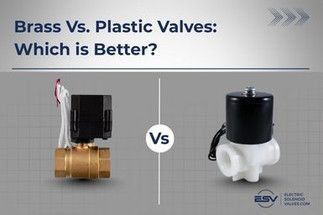
Brass Vs. Plastic Valves: Which is Better and How to Choose the Right Material
Choosing between a brass valve and a plastic valve sounds simple until it is not. On paper, both can control flow. In the real world, the wrong material choice leads to corrosion, leaks, premature failure, inconsistent operation, and unnecessary replacements.
At ElectricSolenoidValves.com, material mismatch is one of the most common root causes behind valve failures. The valve itself may be sized correctly and wired properly, yet it still fails early because the body material was never right for the fluid, environment, or operating conditions.
This guide breaks down brass vs plastic valves in practical terms. Not marketing claims. Not theory alone. Real selection factors that determine which material is actually better for your system.
What Does “Better” Really Mean in Valve Material Selection?
Before comparing brass and plastic, it is important to define what “better” means in valve selection.
- Better does not mean stronger by default.
- Better does not mean cheaper upfront.
- Better does not mean what worked in the last project.
Better means the valve material matches:
- The fluid or gas being controlled
- The operating pressure and temperature
- The chemical exposure and environment
- The expected service life
- Maintenance expectations
- Total cost over time, not just purchase price
With that framework, brass and plastic each have clear strengths and clear limits.
What Are Brass Valves?
Brass valves are constructed with a body made from a copper-zinc alloy, commonly known as brass. This material has been a preferred choice in valve manufacturing for many decades due to its excellent machinability, reliable sealing capabilities, and superior pressure-handling properties compared to most plastics.
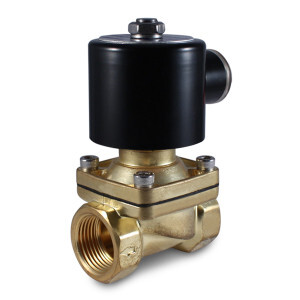
Advantage of Brass Valves
The primary reasons brass has become such a common and favored valve material are several:
- Exceptional Mechanical Strength and Durability:
- Brass offers a high degree of tensile strength and is inherently tough, allowing valves to withstand the stresses of operational use without cracking or deforming.
- This robustness contributes to a long service life, minimizing the need for frequent replacement.
- Superior Pressure Handling Capabilities:
- The density and strength of brass enable it to reliably handle high-pressure environments, which is crucial in systems like hydraulics, pneumatic controls, and pressurized water lines.
- Its structural integrity ensures safety and consistent performance under load.
- Thermal Stability and High-Temperature Tolerance:
- Brass remains stable and retains its mechanical properties even when exposed to elevated temperatures.
- This tolerance is a critical factor in hot water systems, steam lines, and near heat-generating components, where other materials might soften, degrade, or fail.
- Outstanding Machinability and Precision:
- One of brass's most significant advantages is its superb machinability.
- It can be easily cut, drilled, and milled with high precision, allowing manufacturers to achieve the extremely tight tolerances necessary for effective sealing and reliable operation within a valve body.
- This ease of manufacturing directly translates into lower production costs and higher quality components.
- Reliable and Secure Thread Engagement:
- The material's characteristics ensure that threads cut into brass components—both internal and external—are durable and resist stripping.
- This reliability is essential for creating secure, leak-proof connections when mating the valve to pipes or other fittings.
- Excellent Corrosion Resistance in Key Applications:
- While not universally resistant to all chemicals, brass exhibits excellent resistance to corrosion from water, making it the standard material for most domestic and commercial water systems.
- It is also well-suited for systems involving compressed air, light oils, and neutral fluids, where it provides a balance of cost-effectiveness and performance.
- Specific Advantage in Solenoid Valves:
- Brass is particularly prevalent in solenoid valves.
- The coil of a solenoid generates heat, and brass's high thermal conductivity allows it to effectively dissipate this heat.
- More importantly, it is significantly more tolerant of this continuous thermal exposure than many common plastics, preventing degradation of the valve body and ensuring the long-term reliability of the electrical mechanism.
In essence, brass provides a highly effective blend of strength, precision, heat tolerance, and general corrosion resistance, cementing its position as the foundational material for a vast range of fluid control applications.
Limitations of Brass Valves
While brass is a high-performance, durable metal often favored in fluid control, it is not a universally suitable material. Its limitations must be carefully weighed against the specific demands of an application.
1. Corrosion and Material Degradation in Aggressive Fluids
Brass, an alloy primarily composed of copper and zinc, exhibits poor tolerance when exposed to highly aggressive or chemically reactive media, such as strong acids, concentrated caustics (alkaline solutions), or certain specialized industrial chemicals. The degradation process is often insidious, meaning it can begin internally without immediate external signs of failure:
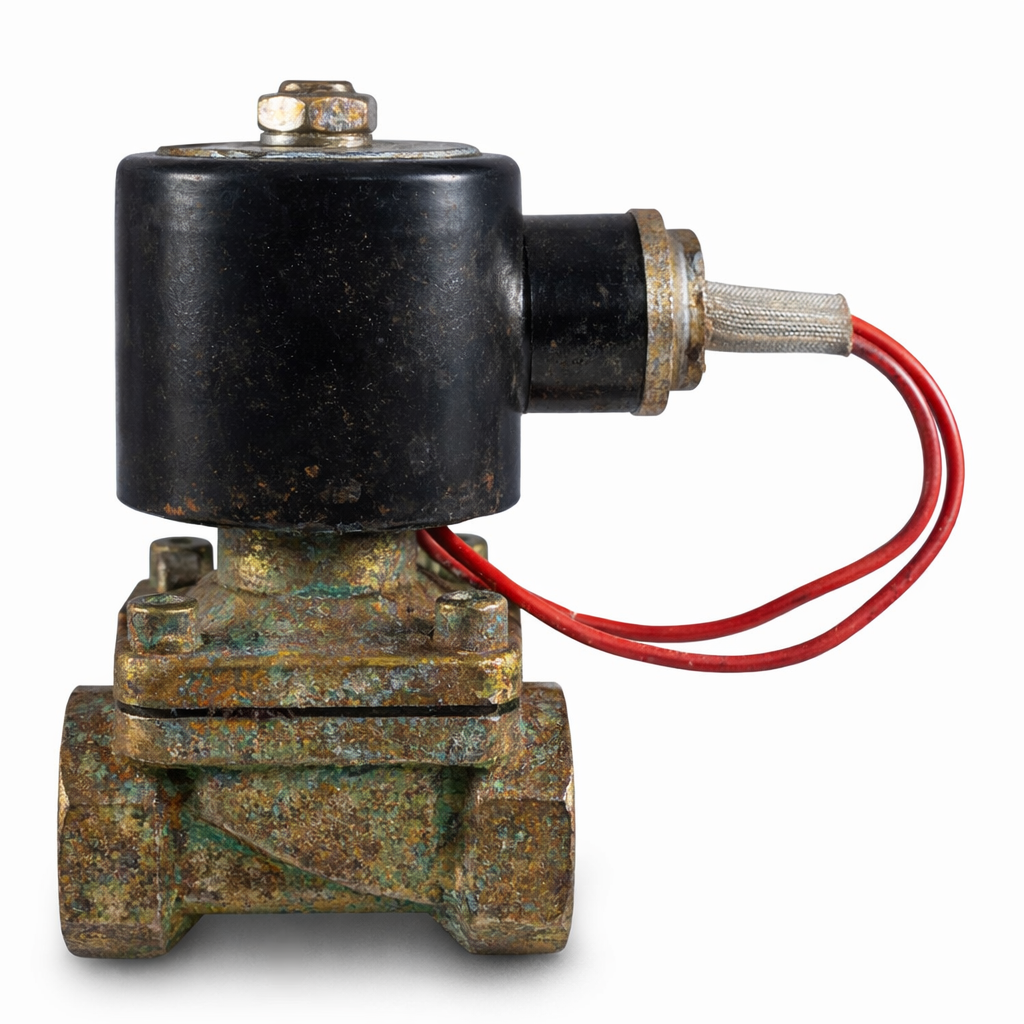
- Pitting Corrosion: This form of localized corrosion creates small holes or "pits" in the metal surface. These pits act as stress concentrators and can rapidly penetrate the valve wall, leading to sudden, catastrophic leaks.
- Dezincification: This is the selective leaching of zinc from the brass alloy, leaving behind a porous, structurally weak, and copper-rich skeleton. Dezincification drastically reduces the mechanical strength of the valve body and internal components, making them susceptible to failure under pressure or temperature stress. This is particularly common in water with high levels of dissolved oxygen or certain chemical additives.
- Internal Erosion: While sometimes due to high fluid velocity, certain chemicals can aggressively attack the metal surface, leading to an accelerated thinning of the valve walls and components.
This degradation typically manifests not as immediate structural failure, but as chronic operational issues such as stem sticking, reduced flow control, and persistent, hard-to-trace leaks that compromise system integrity long before a visible, gross failure occurs.
2. Narrower Chemical Compatibility Spectrum
Brass offers reliable performance across a standard range of neutral media, including potable water, atmospheric air, and most common lubricating or hydraulic oils. However, its use is significantly restricted when the fluid introduces specific chemical agents:
- Chlorinated and Chemically Treated Water: In systems using highly chlorinated water (e.g., swimming pools, municipal treatment plants), especially at higher temperatures, the chlorine and other chemical disinfectants can accelerate dezincification and stress corrosion cracking in specific brass alloys.
- Acidic and Caustic Solutions: Even moderately strong acidic solutions (low pH) or caustic cleaners (high pH) will aggressively attack the brass surface, leading to rapid corrosion and component failure. This makes brass unsuitable for most chemical processing, cleaning-in-place (CIP) systems, and laboratory applications.
- Specific Solvents and Ammonia-Based Compounds: Certain organic solvents and compounds containing ammonia can induce a severe form of cracking known as stress corrosion cracking (SCC), where even minor residual internal stress in the brass component can cause it to fracture catastrophically when exposed to the corrosive agent.
Thorough chemical compatibility checks are absolutely mandatory for any non-standard fluid application to prevent premature system failure.
3. Significant Weight Implications
As a metal alloy, brass possesses a high density, rendering brass valves substantially heavier than comparable valves made from engineered plastics (such as PVC, CPVC, or polypropylene). This increased mass introduces several practical and logistical challenges:
- Rigorous Mounting and Support Requirements: Larger brass valves or systems incorporating many valves necessitate more robust and expensive mounting hardware, support brackets, and potentially structural reinforcements to handle the static weight and dynamic forces of the system.
- Increased Shipping and Handling Costs: The high density translates directly into higher freight and logistics expenses, particularly for bulk or international shipments, significantly increasing the total cost of ownership before installation.
- Increased Stress on Piping: In small-diameter, lightweight, or suspended piping configurations, the weight of the brass valve can introduce considerable mechanical stress, torque, and strain on the pipe itself, potentially leading to joint fatigue, sagging, or premature failure of the surrounding pipe material. For compact or highly mobile systems, the weight factor is a critical design constraint.
4. Higher Unit and System Cost
Generally, the raw material cost and the machining processes required to manufacture a brass valve are more expensive than those for an equivalent plastic valve. This cost differential has important economic consequences:
- Elevated Initial Purchase Price: The initial cost of brass valves is typically higher than their plastic counterparts.
- Cumulative Cost in Large-Scale Projects: In applications requiring thousands of valves, such as large irrigation systems, manifold assemblies, or industrial pipelines, the difference in unit cost quickly compounds, resulting in a substantially higher overall project budget.
- Suitability for Disposable or Low-Cycle Applications: For systems designed to be temporary, disposable, or for applications where the valve lifespan is intentionally short (e.g., certain chemical batch processes), the higher cost of brass makes it an uneconomical choice compared to lower-cost plastic alternatives.
What Are Plastic Valves?
Plastic valves represent a broad category of fluid control devices constructed primarily from various thermoplastic materials. These materials include common types like Polyvinyl Chloride (PVC), Chlorinated Polyvinyl Chloride (CPVC), Unplasticized Polyvinyl Chloride (UPVC), Polypropylene (PP), or more specialized, high-performance polymers such as Polyvinylidene Fluoride (PVDF). The selection among these plastics depends heavily on the intended application, as each material possesses a unique profile of chemical, thermal, and mechanical properties.
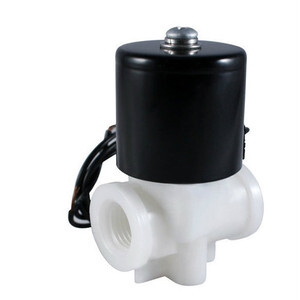
While the specific characteristics vary—for instance, CPVC offers higher temperature resistance than standard PVC, and PVDF provides exceptional chemical inertness—all plastic valves share a set of fundamental advantages.
Advantages of Plastic Valves
Plastic valves offer a compelling alternative to traditional metallic options like brass, particularly in environments where corrosion, chemical compatibility, and weight are critical factors. The following points elaborate on their primary benefits.
1. Excellent Corrosion Resistance
The most significant advantage of plastic valves is their inherent corrosion resistance, a major weakness of most metal alloys. Unlike brass, which is susceptible to dezincification and general corrosion when exposed to certain media, plastic polymers remain chemically inert to many aggressive substances.
Ideal Applications: This corrosion immunity makes plastic valves the preferred choice for handling highly corrosive fluids such as:
- Strong Acids: Hydrochloric acid, sulfuric acid, etc.
- Caustics/Bases: Sodium hydroxide, potassium hydroxide, etc.
- Chemical Dosing Solutions: Solutions used in industrial and municipal water treatment.
- Saltwater and Brine: Environments common in marine and coastal applications.
- Aggressive Industrial Fluids: Solvents, process chemicals, and other challenging media.
Longevity: In these demanding and corrosive environments, plastic materials—such as PVC, CPVC, PP, or PVDF—can dramatically outlast brass and even more expensive stainless steel, leading to significantly lower maintenance and replacement costs over the system's lifespan.
2. Broader Chemical Compatibility
While no single material is universally compatible with every chemical, the range of available plastic polymers allows for exceptional tailoring of valve material to specific chemical challenges. When the correct polymer is chosen, plastic valves can handle chemicals that would rapidly degrade or destroy brass components.
Tailored Solutions: The specific chemical resistance depends on the chosen plastic:
- PVC and CPVC: Excellent for many acids, bases, salts, and water applications.
- Polypropylene (PP): Suitable for a wider range of organic solvents and higher temperatures than PVC.
- Polyvinylidene Fluoride (PVDF): Offers superior resistance to highly aggressive chemicals and high purity requirements.
Key Industries: This flexibility makes plastic valves indispensable in sectors such as:
- Chemical Processing: Handling diverse and often volatile intermediate and final products.
- Water and Wastewater Treatment: Resisting chemicals like chlorine, ozone, and various coagulants.
- Laboratory and Analytical Systems: Ensuring fluid purity and resistance to common lab reagents.
3. Lightweight Construction
Plastic valves are substantially lighter than their brass or other metal counterparts, which translates into numerous practical benefits during system design, installation, and operation.
- Simplified Installation: The reduced weight makes manual handling easier and faster, decreasing installation time and labor costs, particularly in large industrial facilities.
- Reduced Support Requirements: Less weight on the piping system means less structural support is required. This is especially valuable for large-diameter pipelines or complex runs in compact or elevated spaces, simplifying overall system engineering.
- Lower Shipping and Logistics Costs: The reduced mass of the components significantly cuts down on freight and handling expenses, a major cost factor for international projects or large-volume orders.
4. Lower Initial Cost
In many cases, the upfront purchase price of a plastic valve is lower than that of an equivalent brass valve. This makes plastic a highly attractive option for projects constrained by budget or those requiring a high volume of valves.
- Economical for Large Systems: For installations that require hundreds or thousands of valves (such as municipal water distribution networks or large-scale irrigation), the lower unit cost of plastic can result in massive capital savings without sacrificing performance in their intended applications.
- Budget Flexibility: This cost advantage allows designers and engineers to allocate more resources to other critical system components.
Limitations of Plastic Valves
While plastic valves offer compelling advantages in terms of cost and corrosion resistance, they come with a distinct set of limitations that make them unsuitable for many industrial and high-performance applications. These constraints primarily revolve around their inherent material properties related to mechanical strength and thermal stability.
1. Lower Pressure and Mechanical Stress Thresholds
The fundamental mechanical properties of engineering plastics mean that valves constructed from these materials can generally only handle lower operating pressures than their brass or metal counterparts.
- Standard Pressure Ratings: Most plastic valves are inherently designed for low to moderate pressure systems. Even when a plastic valve's stated pressure rating is numerically similar to a metal one, the plastic component has a much smaller safety margin against unforeseen system dynamics.
- Sensitivity to Pressure Spikes: Plastic materials are significantly more susceptible to damage from sudden pressure spikes or water hammer events. A rapid pressure surge that a metal valve might absorb without issue can cause immediate or cumulative damage, such as cracking or sudden failure, in a plastic body.
- Cyclic Fatigue: Applications involving frequent or rapid pressure cycling—where the pressure repeatedly rises and falls—are particularly harsh on plastic valves. The material undergoes mechanical fatigue more quickly, drastically reducing the valve's service life compared to brass or stainless steel.
- Specific Media Concerns: The use of plastic valves in compressed gas systems, especially at high pressures, requires extremely careful engineering review and often necessitates a substantial derating of the valve's stated pressure limit due to the risk of catastrophic failure under rapid decompression or high stress.
2. Pronounced Temperature Sensitivity
Plastics are organic polymers and are therefore much more susceptible to thermal degradation and dimensional changes than metals. Heat is a major limiting factor for plastic valve deployment.
- Softening and Deformation: As the temperature of the fluid or the ambient environment increases, most common valve plastics (such as PVC, CPVC, and even some PEEK) begin to soften. This softening compromises the structural integrity of the valve body and can lead to immediate operational issues like stem binding, component misalignment, or catastrophic blowout.
- Impact on Sealing: Elevated temperatures also directly affect the integrity of elastomeric seals and seats within the valve. Heat can cause seals to lose their elasticity, leading to leaks, or can cause the valve body itself to expand or deform, compromising the critical sealing surfaces.
- Heat Sources Beyond the Fluid: The heat exposure is not limited to just the working fluid (e.g., hot water or steam). Ambient heat in industrial environments or high-powered solenoid coils attached to actuation systems can generate enough localized heat to exceed the plastic's continuous operating temperature limit, leading to premature failure.
3. Susceptibility to Mechanical Creep
Creep is a time-dependent phenomenon where a material slowly and permanently deforms under a constant mechanical load, even if that load is below the material's yield strength. This is a critical issue for plastic components subjected to continuous stress.
- Compromised Thread Engagement: In threaded connections, the constant stress from over-tightening or system pressure can cause the plastic threads to slowly deform. This "creep" relaxes the joint over time, potentially leading to loose connections and eventual leaks.
- Degraded Sealing Surfaces: Internal components, such as ball seats or diaphragms that rely on constant compression to maintain a seal, are particularly vulnerable. As the plastic creeps, the necessary sealing force diminishes, resulting in a slow but inevitable loss of sealing integrity and the development of leaks that are difficult to diagnose until they become significant.
- Loss of Mounting Stability: For valves that are bolted or clamped onto a larger system, creep in the mounting points can cause the valve to shift or become loose, affecting overall system alignment and stability.
4. Vulnerability to UV Degradation
Many commodity and engineering plastics are inherently sensitive to ultraviolet (UV) radiation, which is present in direct sunlight.
- Material Breakdown: Prolonged exposure to UV light causes chemical bonds within the polymer structure to break, a process known as photodegradation. This results in the plastic becoming brittle, losing its original color, and developing surface cracks.
- Outdoor Installation Risks: For valves used in outdoor plumbing, irrigation, or industrial applications exposed to the elements, this degradation can severely shorten the valve's lifespan. To mitigate this, specialized plastics with UV stabilizers or carbon black additives must be specifically selected, increasing material cost and complexity. Failure to do so can lead to sudden, brittle fracture years before the valve would typically reach the end of its service life.
Brass vs Plastic Valves: Direct Comparison
|
Factor |
Brass Valves |
Plastic Valves |
|
Pressure handling |
Higher |
Lower |
|
Temperature range |
Wider |
Limited |
|
Corrosion resistance |
Moderate |
Excellent |
|
Chemical compatibility |
Limited |
Broad |
|
Weight |
Heavy |
Light |
|
Mechanical strength |
High |
Moderate |
|
UV resistance |
Good |
Material dependent |
|
Initial cost |
Higher |
Lower |
|
Long-term cost |
Depends on the application |
Depends on the application |
There is no universal winner. The correct choice depends entirely on operating conditions.
Which Is Better for Solenoid Valves?
For solenoid valves specifically, material choice matters even more.
Solenoid valves introduce heat, cycling, and dynamic forces that manual valves do not.
When Brass Solenoid Valves Are Better
- Higher-pressure water or air
- Elevated ambient or fluid temperature
- General industrial automation
- Applications with unknown or fluctuating conditions
Brass tolerates coil heat better and remains stable under repeated cycling.
When Plastic Solenoid Valves Are Better
- Corrosive fluids
- Chemical dosing systems
- Low to moderate pressure
- Environments where metal corrosion causes repeated failures
Plastic solenoid valves excel where corrosion is the dominant failure mode.
Application-Based Recommendations
Water Systems
Brass is typically preferred for general water service unless the water is highly treated or chemically aggressive.
Chemical Handling
Plastic valves are almost always the better choice for acids, caustics, and aggressive chemicals.
Compressed Air
Brass is generally safer due to pressure handling and mechanical stability.
Irrigation and Pool Systems
Plastic valves work well due to their corrosion resistance and lower cost.
Industrial Automation
Brass is often chosen unless chemical exposure demands plastic.
Common Mistakes When Choosing Valve Material
- Choosing brass because it “feels stronger” without checking chemical compatibility
- Choosing plastic for cost savings while ignoring pressure spikes
- Ignoring coil heat in plastic solenoid valves
- Assuming all plastics behave the same
- Focusing only on upfront cost
Most premature valve failures trace back to these mistakes.
Total Cost of Ownership Matters More Than Material Alone
A cheaper valve that fails early costs more than an expensive valve that lasts.
Consider:
- Downtime
- Labor for replacement
- Fluid damage from leaks
- Emergency replacements
The right material minimizes total cost over the valve’s life.
Final Thoughts: Brass or Plastic, Which Is Better?
- Neither brass nor plastic is universally better.
- Brass excels in pressure, temperature, and mechanical durability.
- Plastic excels in corrosion resistance, chemical compatibility, and weight.
The right choice depends on what actually stresses your system.
- If corrosion is the enemy, plastic usually wins.
- If pressure, heat, and durability dominate, brass is often the safer choice.
When in doubt, material selection should be verified before installation, not after failure. Talk to a valve specialist about material selection.